Date posted:
25/11/2026
21
| Read the article |On November 23, Hanoi Law University organized the international conference “Good Governance in ASEAN”, with the participation of numerous scholars and experts from countries across the region. The conference was co-chaired by Dr. Nguyen Van Quang, Vice Rector of Hanoi Law University, and Prof. Dr. Henk Addink, Emeritus Professor at Utrecht University (the Netherlands).
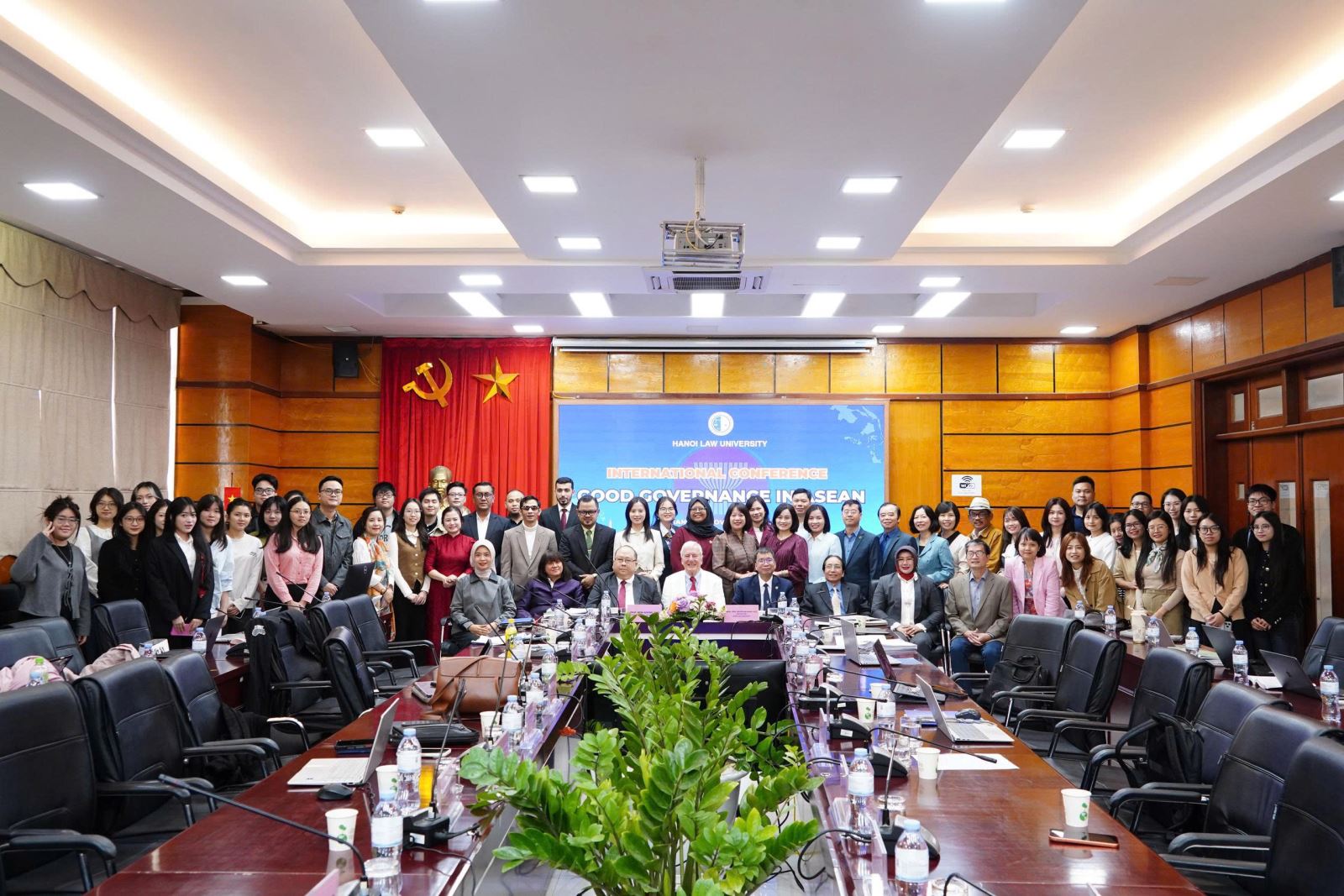
Delegates pose for a group photo at the conference.
The conference focused on exchanging experiences regarding the principles and models of good governance in ASEAN countries, while discussing emerging trends in modern public governance, such as digital government and data-driven governance. Through these discussions, the conference offered further insights and practical experience to support Vietnam's efforts to modernize and improve the effectiveness of national governance.
In his opening remarks, Dr. Nguyen Van Quang, Vice Rector of Hanoi Law University, emphasized that amid rapid socio-economic changes, increasingly deep regional integration, and emerging governance challenges, good governance has become a common priority for Southeast Asian countries. Key pillars of good governance include the rule of law, transparency, accountability, an effective public administration, and meaningful public participation. These elements contribute to promoting sustainable development, strengthening public trust, and ensuring regional stability.
According to Vice Rector Nguyen Van Quang, despite differences in history, political systems, and legal traditions, ASEAN Member States are all facing common demands, including modernizing public administration, combating corruption, promoting digital governance, and enhancing the adaptability of institutions. For Vietnam, building and further improving the socialist rule-of-law state and enhancing the quality of national governance are of strategic importance in the country's new stage of development. Therefore, comparative perspectives and practical experiences shared by ASEAN countries and international partners provide valuable references for Vietnam's legal and administrative reform processes.
Assessing the significance of the conference, Vice Rector Nguyen Van Quang noted that through 10 keynote presentations and plenary discussion sessions, participants would focus on examining theoretical frameworks and comparative indicators of good governance, while sharing national experiences across various fields, including decentralization and delegation of authority, anti-corruption efforts, accountability of legislative bodies, digital transformation, emergency situations, and the protection of vulnerable groups in society.
Vice Rector Nguyen Van Quang also expressed his hope that the discussions would contribute to developing practical recommendations to support institutional reforms in Vietnam and other ASEAN countries, while laying the foundation for promoting research cooperation, academic publications, and scholarly exchanges among educational institutions in the region. The conference was also aligned with Hanoi Law University's development orientation, particularly its plan to develop a Master's programme in Law specializing in National and Local Governance.
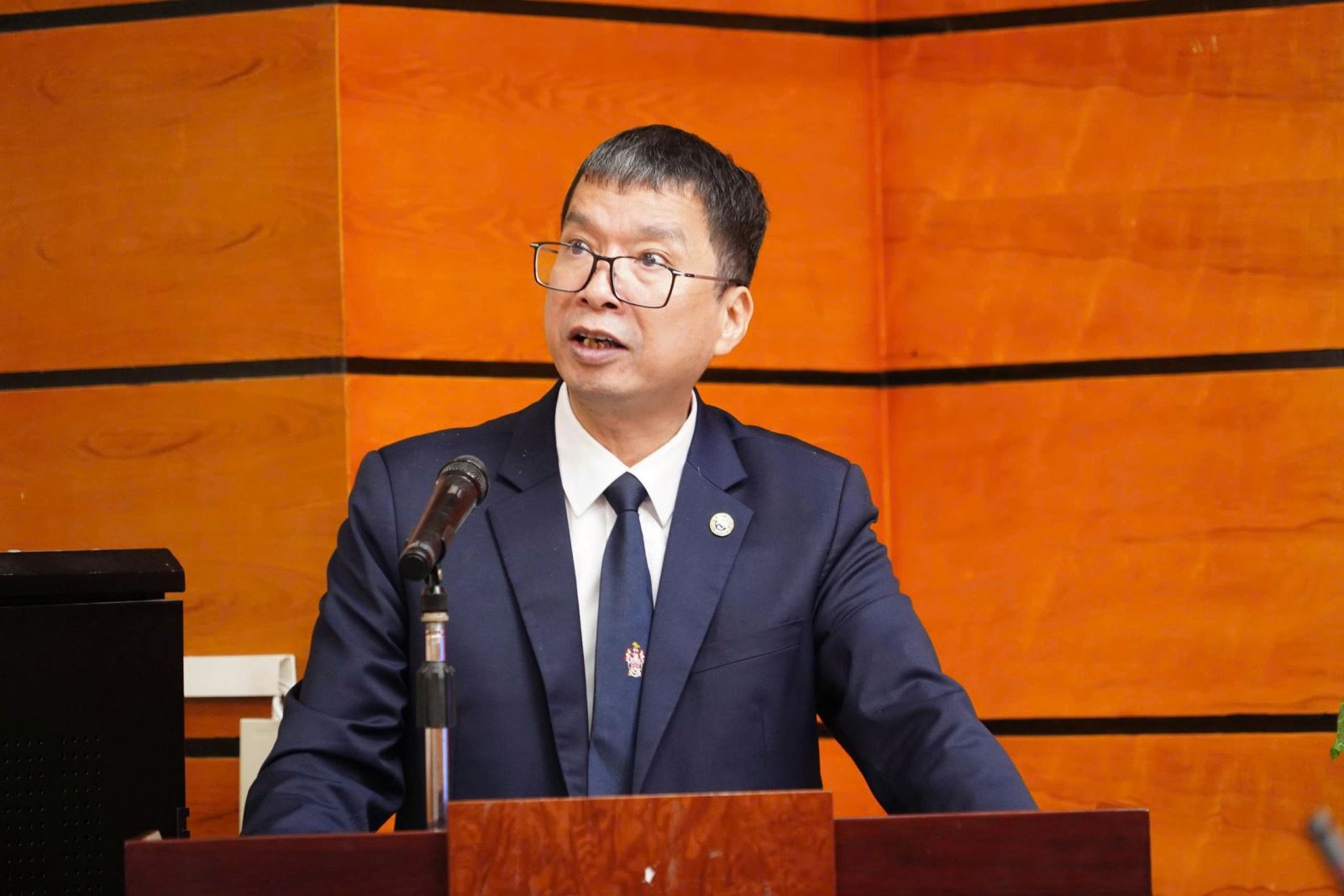
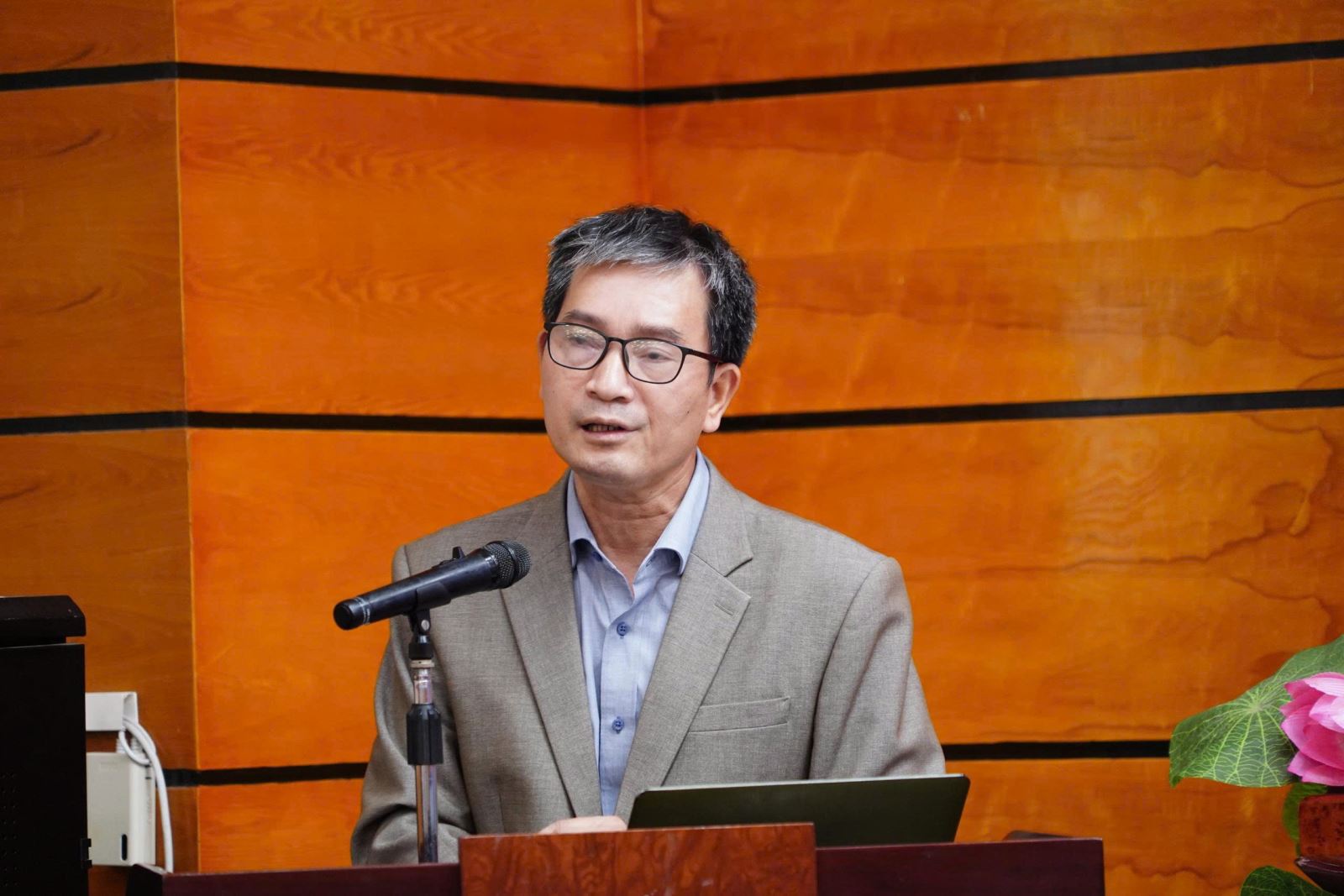
Vice Rector Nguyen Van Quang delivers the opening remarks at the conference.
Addressing good governance in the ASEAN context, Prof. Dr. Henk Addink of Utrecht University (the Netherlands) argued that the issue should be approached at both national and regional levels, with particular attention paid to the interaction between these two dimensions. Based on research conducted in 11 ASEAN countries, he identified good governance as the third pillar of a modern democratic state, alongside democracy and the rule of law. This concept is closely associated with the exercise of public authority, decision-making processes, and the accountability of public authorities to citizens.
Emphasizing the legal dimension, Prof. Dr. Henk Addink argued that the principles of good governance should not merely carry ethical and social significance but should also be translated into concrete legal consequences associated with the rights and obligations of citizens and state agencies. The implementation of these principles helps prevent corruption, reduce misconduct in public administration, strengthen control over the exercise of power, and thereby enhance the legitimacy and effectiveness of government operations.
Analyzing the relationship between good governance, the rule of law, and democracy, he highlighted the role of transparency, accountability, and human rights protection in overseeing the exercise of public power. At the same time, good governance should expand opportunities for citizens to participate in the development and adoption of decisions that affect them, going beyond the framework of representative democracy. He also noted that transparency does not necessarily mean making all information publicly available; rather, it requires appropriate mechanisms for selecting and filtering information.
At the regional level, Prof. Dr. Henk Addink emphasized the need to translate international and regional standards into effective regulations and implementation mechanisms in each country. According to him, ASEAN adopts an approach largely based on consensus, whereas Europe has a more specific and stringent legal framework. This difference highlights the need for continued research and exchanges of experience among countries, particularly in ensuring that common standards are implemented in ways that are appropriate to each country's circumstances.

Prof. Dr. Henk Addink of Utrecht University (the Netherlands) speaks at the conference.
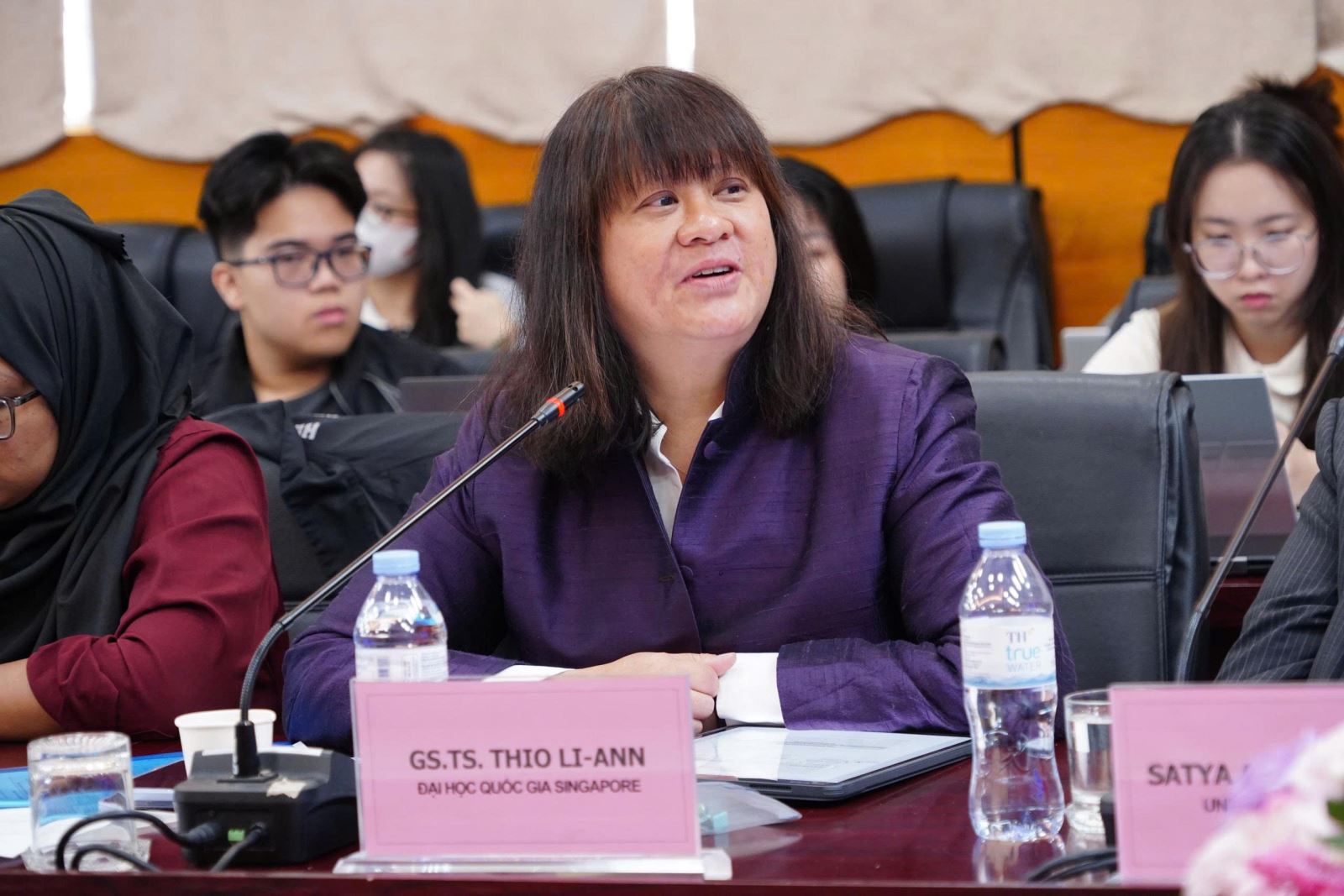
From the perspective of Singapore's practical experience, Prof. Dr. Thio Li-ann of the Faculty of Law, National University of Singapore, argued that good governance should be understood within the historical, cultural, political, legal, and developmental context of each country. According to her, although certain core principles are widely recognized, the interpretation and application of good governance are not necessarily identical across countries. In studying this issue in ASEAN, it is important to take into account the diversity of political systems and avoid imposing a universal model associated with liberal democratic values.
She also emphasized that good governance goes beyond controlling public power, preventing corruption, and curbing abuses of authority. It should also pursue specific development objectives, such as poverty reduction, promoting the right to development, ensuring stability, and strengthening social cohesion. Drawing on Singapore's experience, she discussed the role of informal rules alongside the formal legal system, as well as the need to combine mechanisms for controlling public power with policies that ensure fiscal sustainability and intergenerational equity.
In particular, she stressed the importance of maintaining harmony among ethnic and religious communities through dialogue and reconciliation, rather than relying solely on legal enforcement measures. Accordingly, she suggested that good governance should be approached as a diverse set of practices that both uphold common principles and respect the institutional characteristics and development conditions of individual countries.
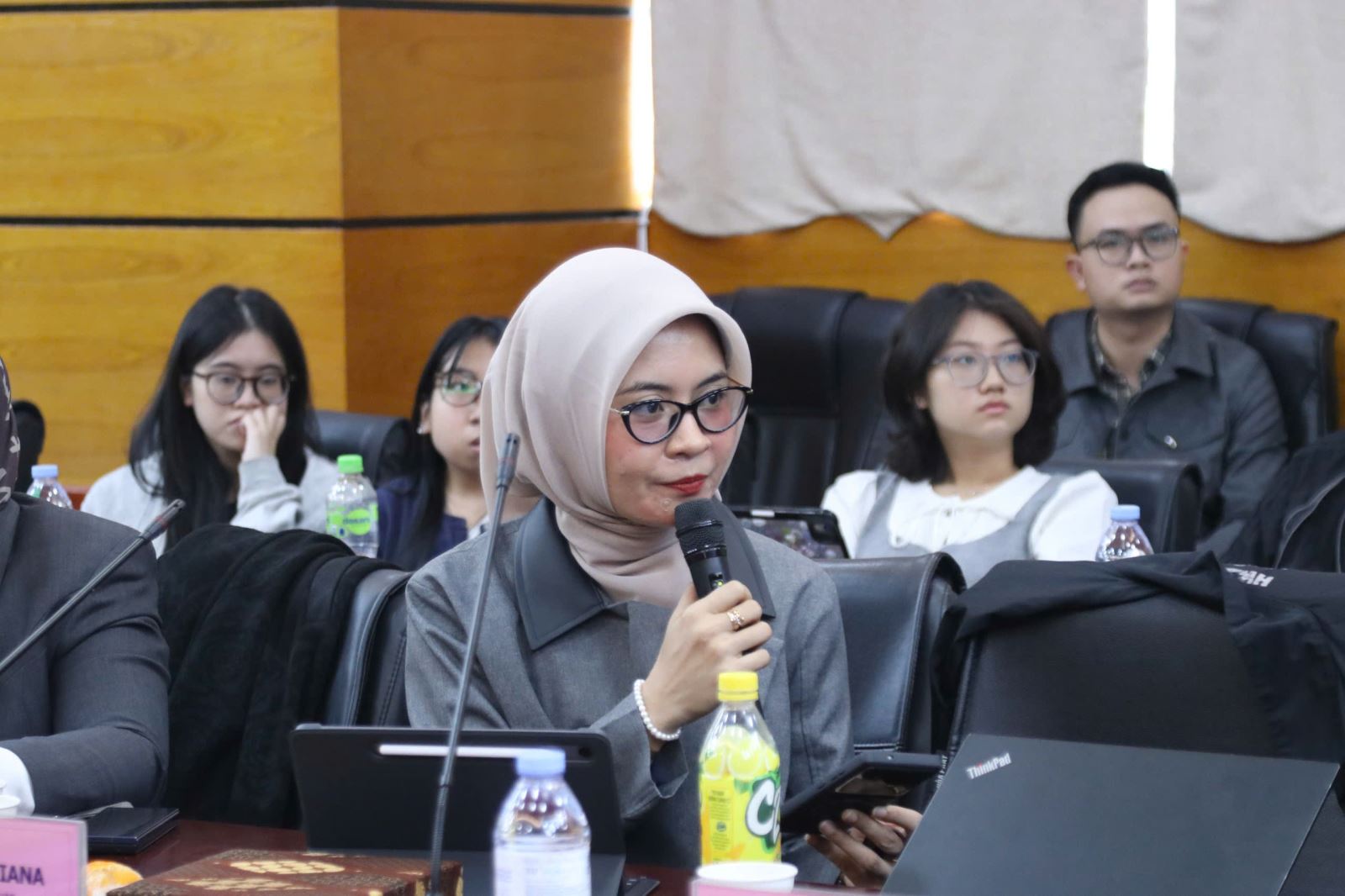
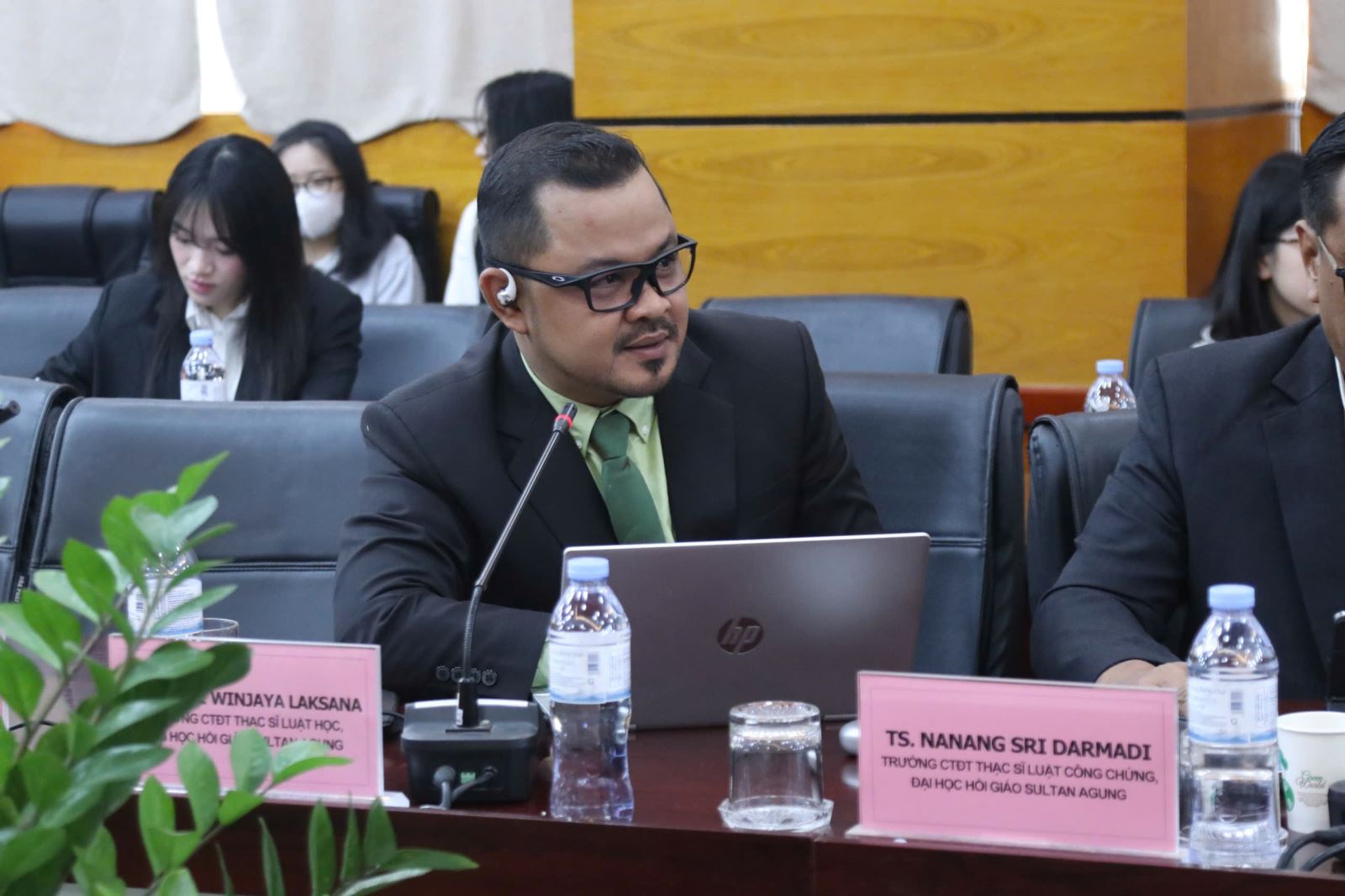
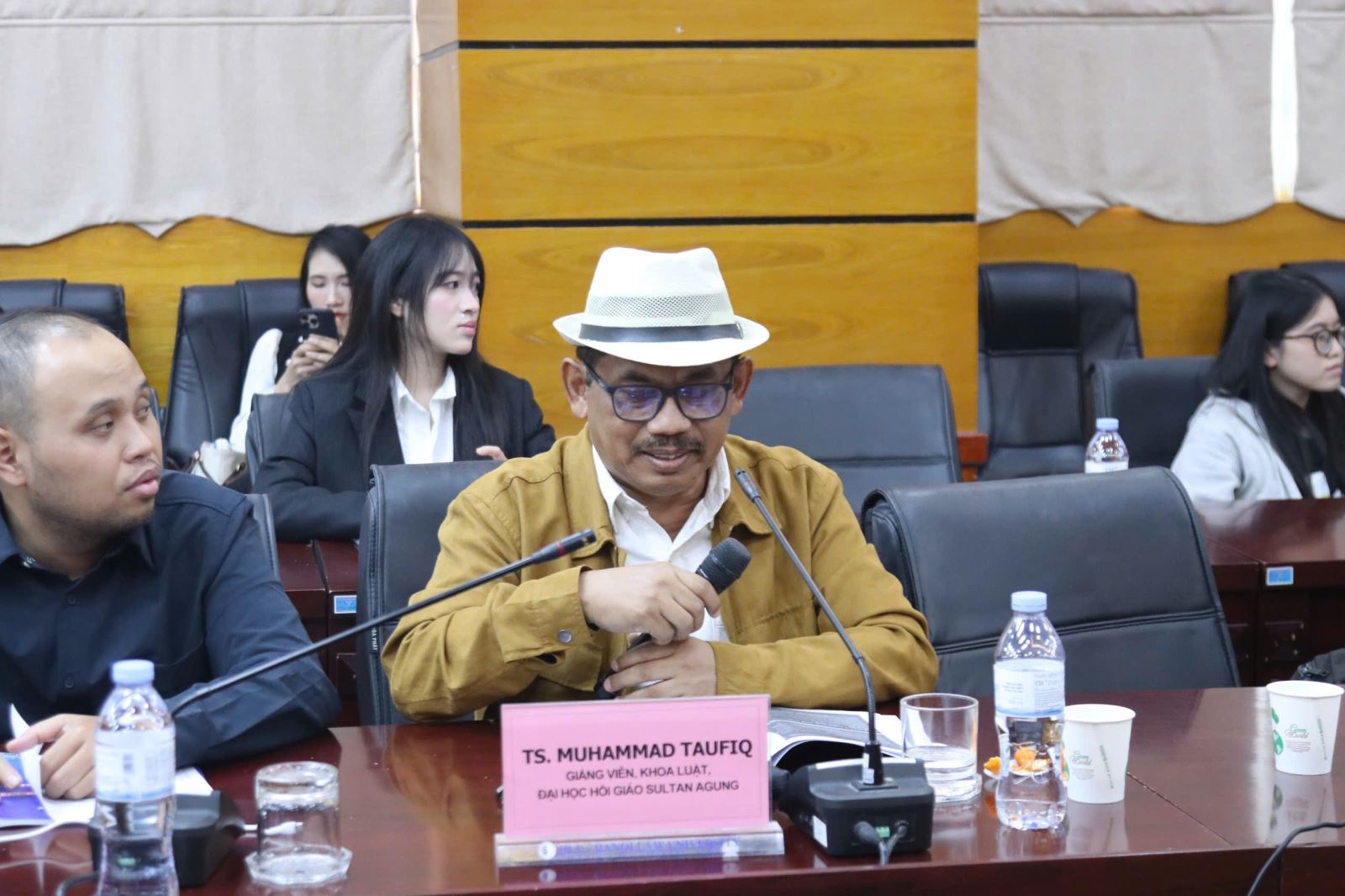
In addition to the presentations, numerous experts, scholars, and delegates engaged in lively discussions on the challenges arising in the implementation of good governance in ASEAN countries. Their contributions focused on clarifying how common principles can be applied under different institutional, legal, and developmental conditions; sharing practical experiences; and proposing solutions to enhance transparency, accountability, and public participation, while improving the overall effectiveness of governance.
Through these exchanges, the conference contributed to a deeper understanding of the requirements and orientations for promoting good governance in the context of regional integration and development.
Some images from the seminar: