Date posted:
09/06/2026
22
| Read the article |Within the framework of the "Vietnamese and Legal Vietnamese" course program for international postgraduate students at Hanoi Law University, the Institute of Comparative Law organized a series of practical experiential activities under three main themes: “Understanding Vietnamese Politics”, “Understanding Vietnamese Culture and Society”, and “Understanding Vietnamese Law”. These are compulsory modules for international students at the University, aimed at bridging theoretical training with practical experience, thereby assisting students in enhancing their learning, research, and integration capabilities within the higher education environment in Vietnam. Through the series of activities implemented in these seminars, students had the opportunity to apply classroom knowledge to reality, while fostering international students' understanding of the country, people, history, culture, and legal system of Vietnam.
Attending the seminars from the Institute of Comparative Law were Assoc. Prof. Dr. Nguyen Hien Phuong – Vice Director in charge of the Institute, the lecturer in charge of the Vietnamese and Legal Vietnamese modules, along with the faculty members directly teaching the courses, and specialists from the International Cooperation Department. On the student side, the participants included postgraduate students from the Lao People's Democratic Republic (Lao PDR), who are currently pursuing postgraduate programs in Law, International Law, etc., at Hanoi Law University.
In the seminar “Understanding Vietnamese Politics” on May 23, 2026, students visited and explored the Ho Chi Minh Mausoleum, the Ho Chi Minh Museum, and the Hoa Lo Prison Relic. Through listening to presentations, exchanges, and discussions, students had the opportunity to acquire fundamental knowledge about Vietnam's revolutionary history, Ho Chi Minh Thought, and the political system of Vietnam.
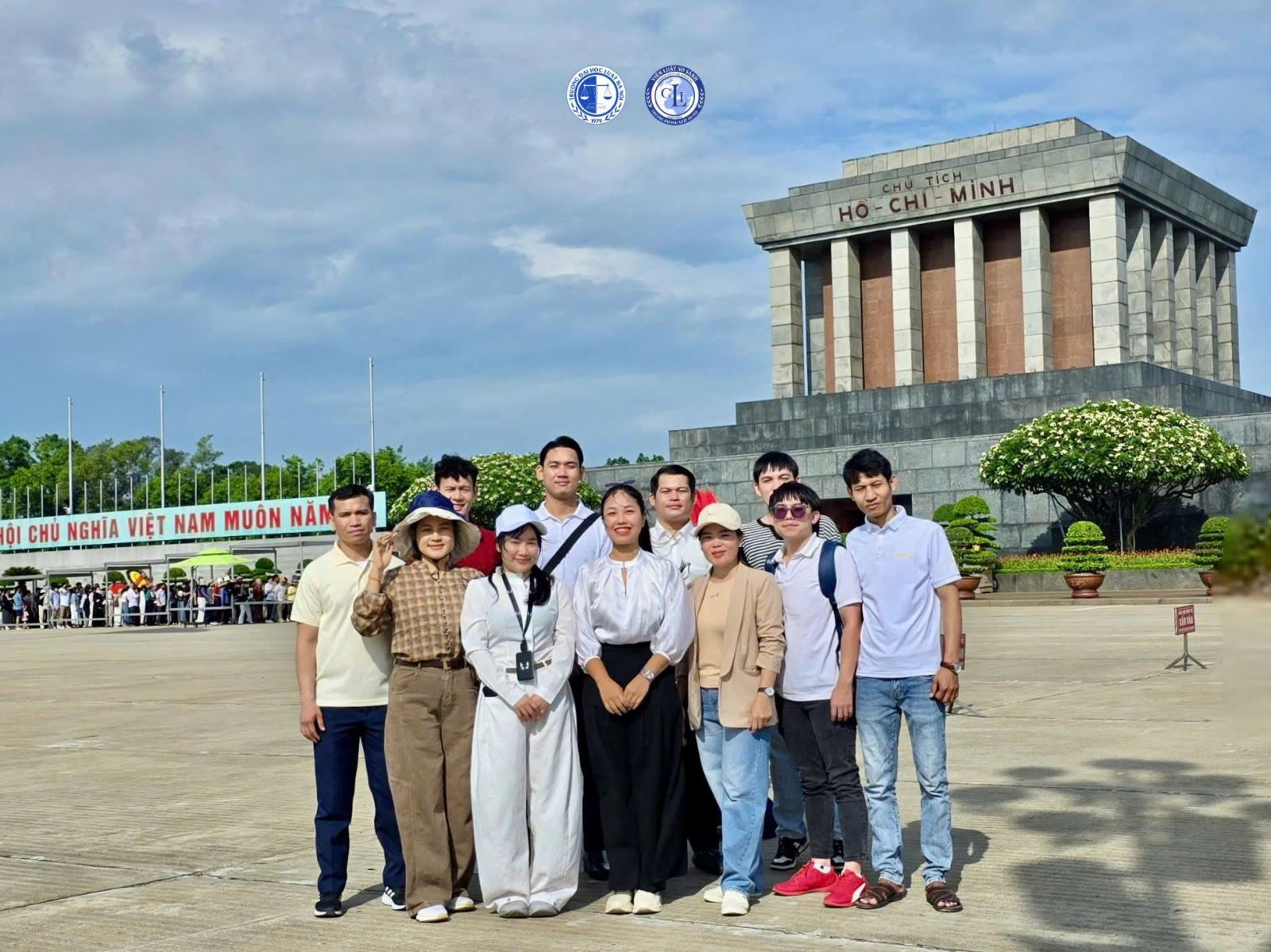
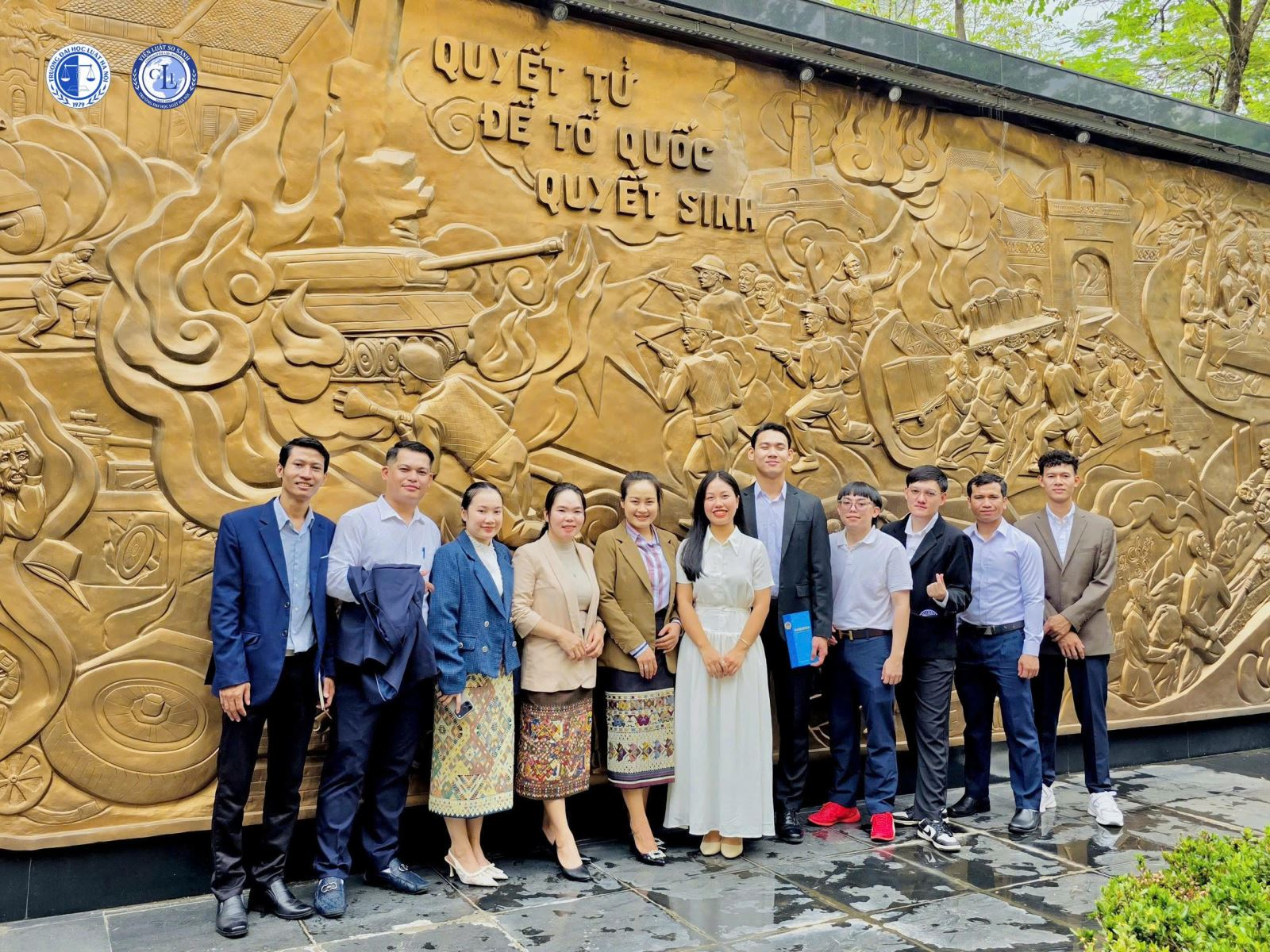 Students participating in the political seminar
For the seminar “Understanding Vietnamese Culture and Society” on May 29, 2026, the student delegation went on a field trip to the Trang An – Bai Dinh scenic landscape complex (Ninh Binh province). This activity helped students gain a deeper understanding of the traditional cultural values, beliefs, and social life of the Vietnamese people, as well as the role of cultural heritage in the process of socio-economic development and international integration. This was also an occasion for students to discuss and compare the similarities and differences between the cultures of Vietnam and the Lao PDR, thereby enhancing intercultural understanding and strengthening the friendship between the peoples of the two countries.
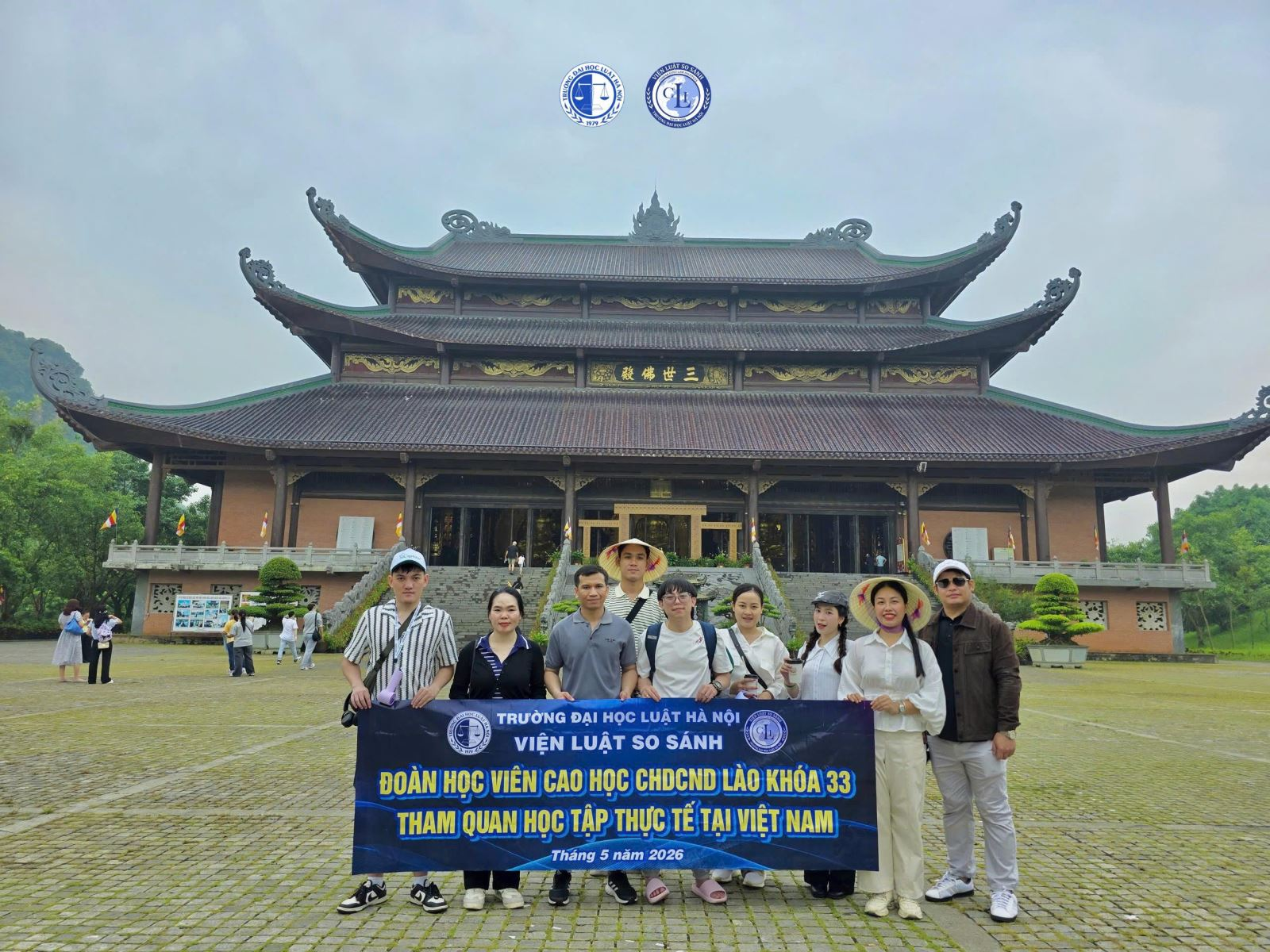
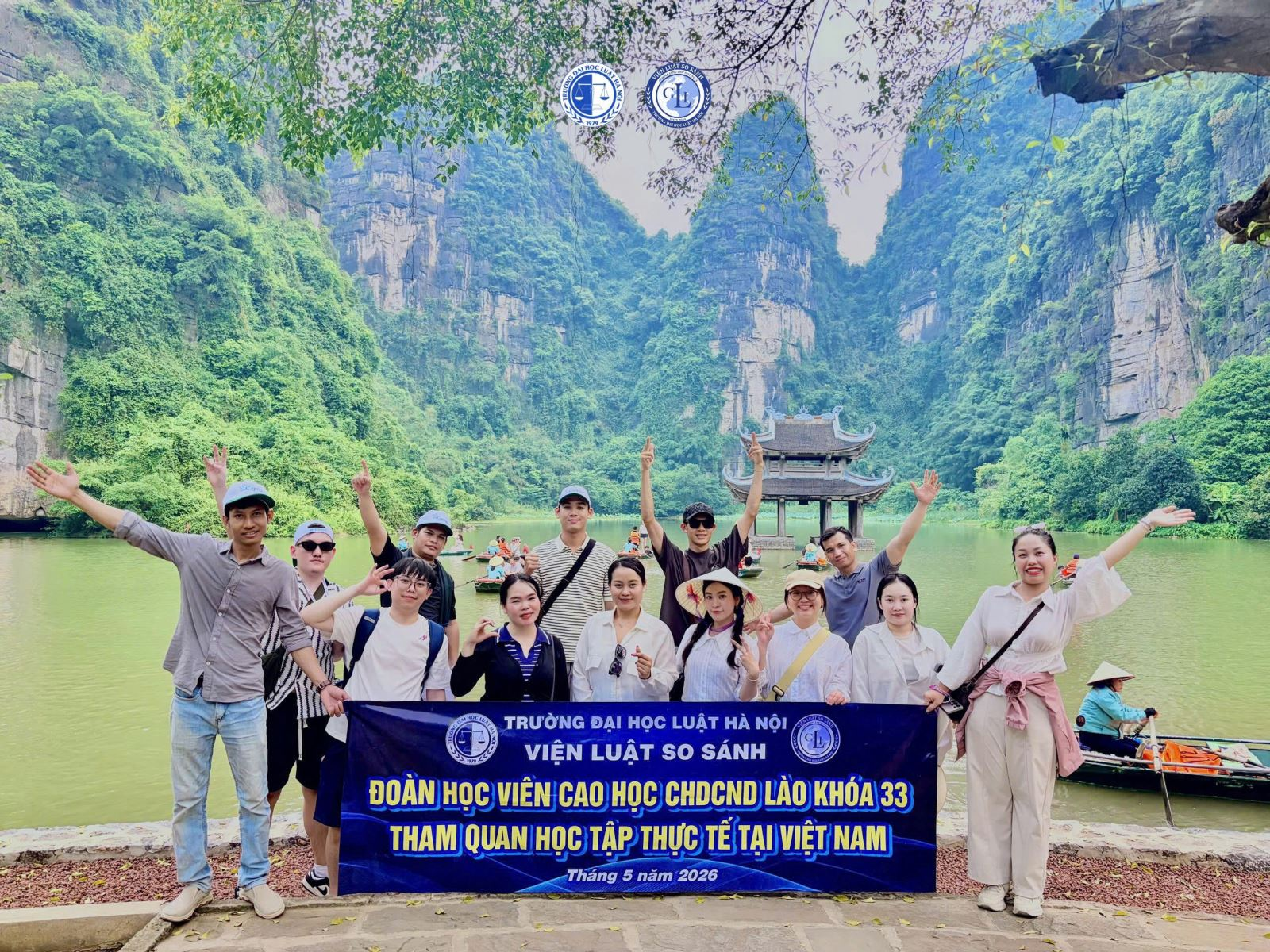 Students participating in the cultural and social seminar
In the seminar “Understanding Vietnamese Law”, students had the opportunity to pay a practical study visit to the Supreme People's Court on June 6, 2026. Here, students were given an overview of the legal system, the organization of the judicial apparatus, and the role of the Court in safeguarding justice, human rights, and citizens' rights. The activity contributed to helping students gain exposure to Vietnam's legal practice, while enhancing their proficiency in using specialized legal Vietnamese to serve their learning and research process.
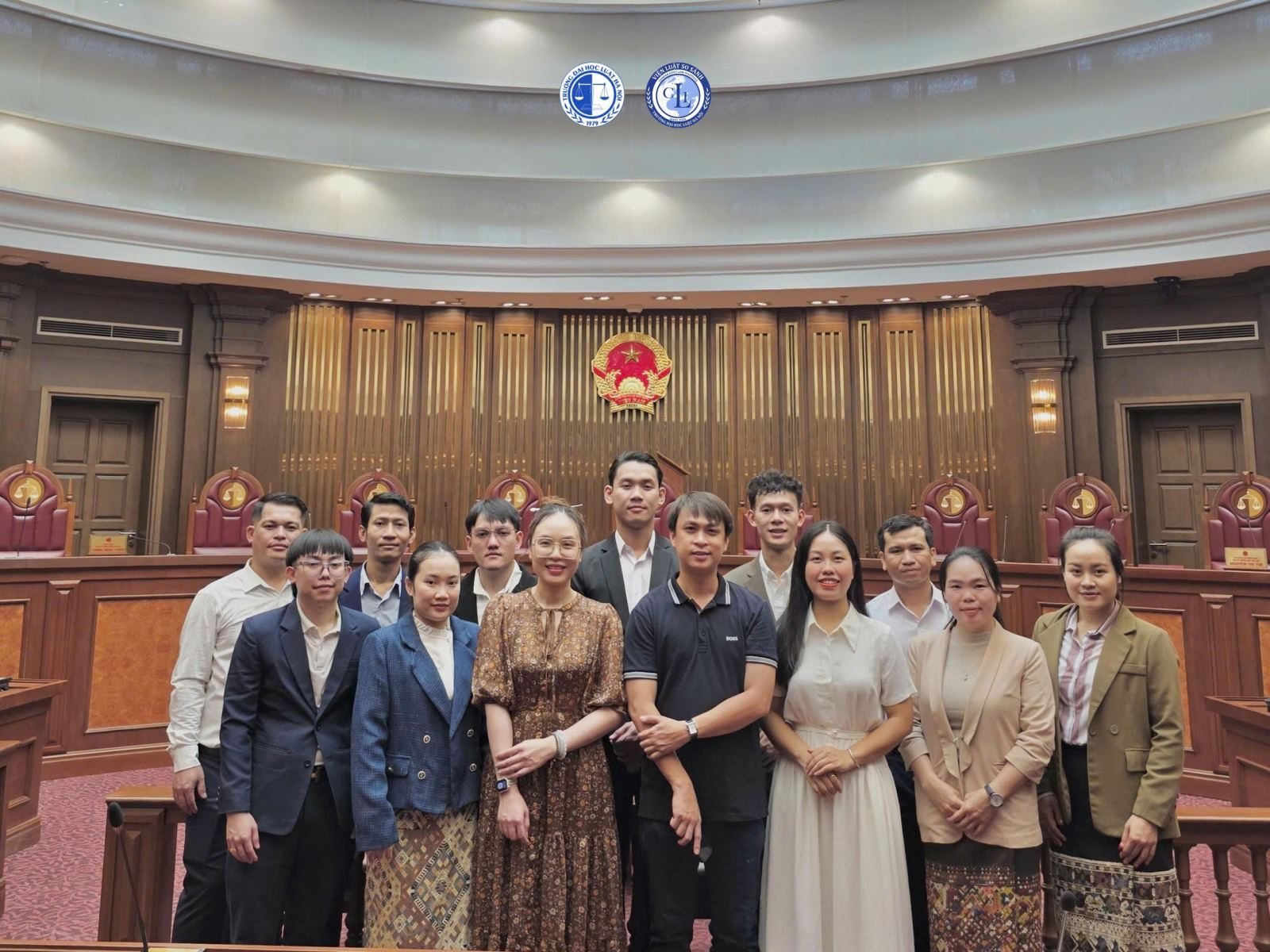
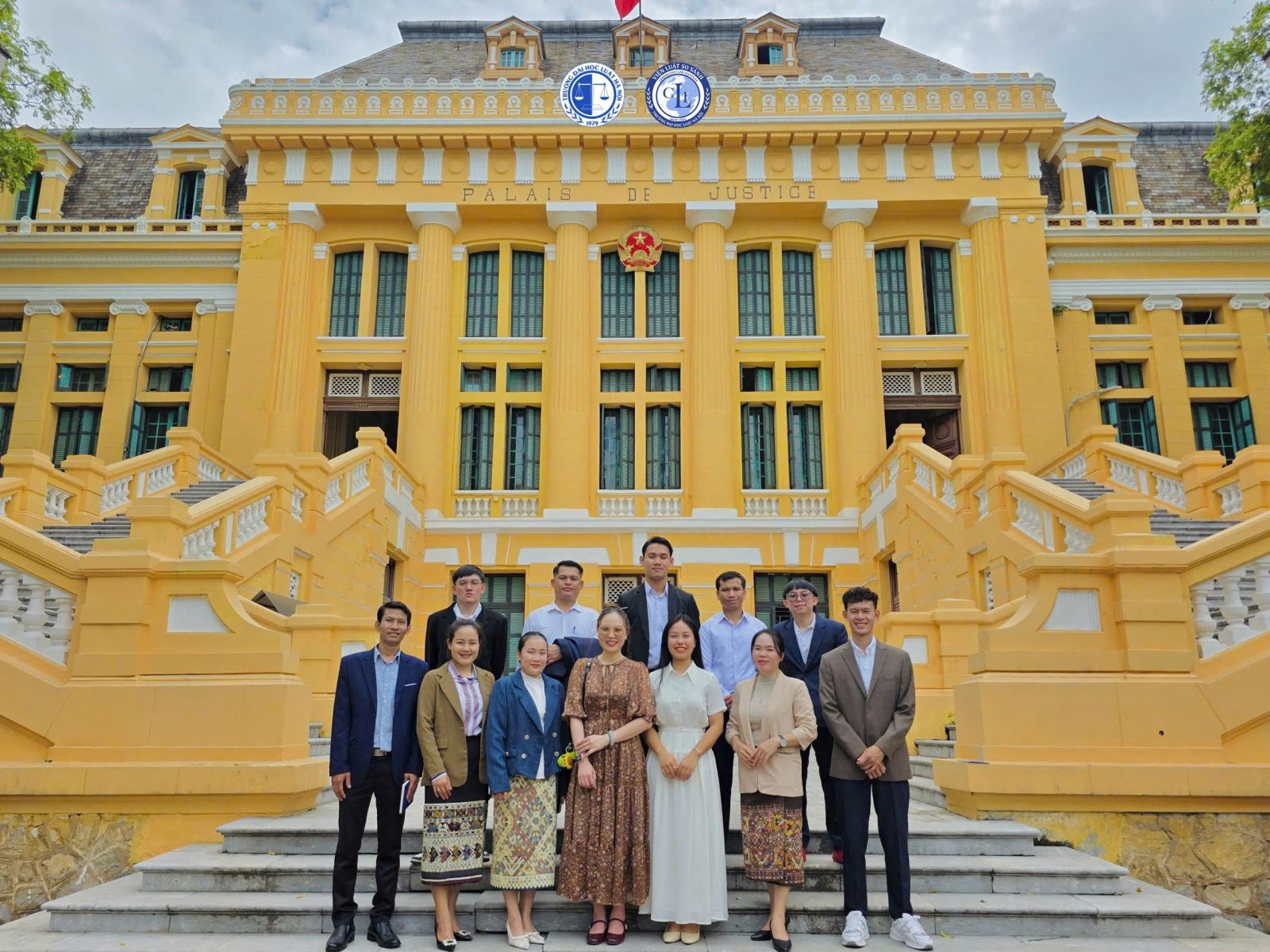 Students participating in the legal seminar
Beyond its academic significance, the series of activities also contributed to promoting cultural exchange and strengthening the bond between the Lao PDR students and the learning environment at Hanoi Law University. Through these practical experiences, students were able to gain a profound understanding of Vietnam, while sharing the cultural and legal values of their own country within an international academic setting.
With the orientation towards internationalizing training and research activities, the Institute of Comparative Law, Hanoi Law University always places great importance on building study programs tied to practical experiences, creating a multicultural academic exchange environment for learners. This series of activities continues to affirm the Institute's role in promoting international cooperation, enhancing understanding among different legal cultures, and realizing the Institute's motto: "Connecting Global Legal Cultures".